



mini excavators
Choosing a Mini Excavator for Septic and Drain Field Jobs
How to match a mini excavator to septic work: drain field trench depth and width, side yard gate access, bucket width and the tank hole.
Read more →Buyer's guides, tips, and straight talk on equipment, buildings, and lifts.
How to match a mini excavator to septic work: drain field trench depth and width, side yard gate access, bucket width and the tank hole.
Read more →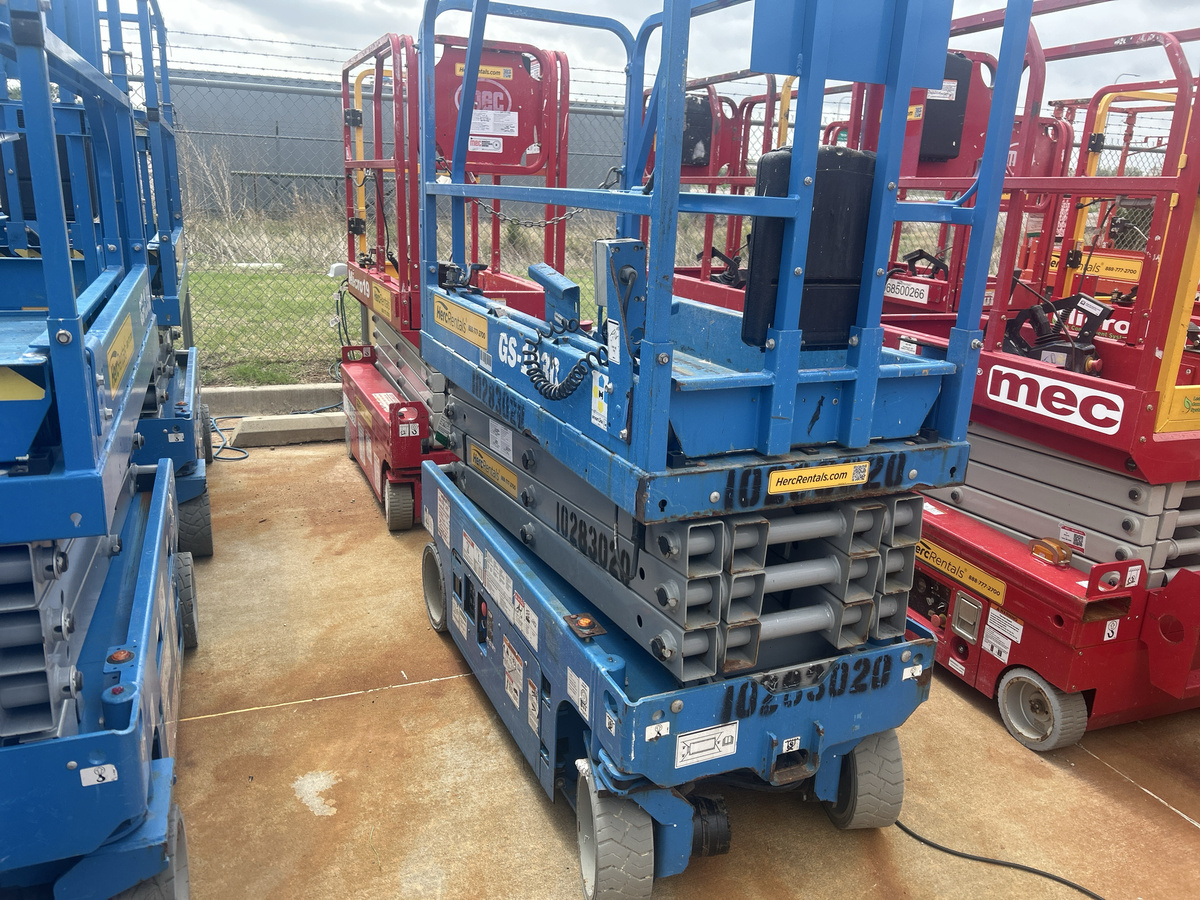
We compare scissor lift brands Skyjack, Genie, JLG and Snorkel on drive system, reliability, ground controls, model numbers and weight.
Read more →
A mini skid steer grapple bucket has a solid bottom for scraping up loose material, while a rock grapple's open frame suits rock, brush and roots.
Read more →
The Bastone portable restroom with shower is compared here with the LUX Shower Restroom and LUX Dual-Stall by size, drains, water and power.
Read more →
A skid steer screening bucket uses a vibrating screen on a quick attach; an excavator screening bucket uses rotating stars on a hammer circuit.
Read more →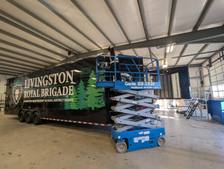
Clubhouse Trailer Company uses its Genie GS-1930 scissor lift from The Lift Bros daily to wrap and build out marching band trailers, from semi trailers to lights and solar panels.
Read more →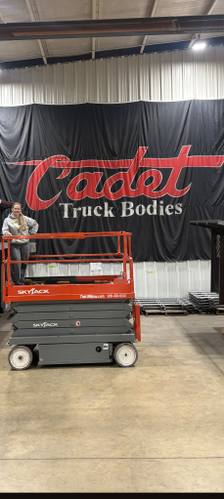
Cadet Truck Bodies in Chouteau, Oklahoma uses its Skyjack scissor lift from The Lift Bros for building maintenance, new hoist line construction and contractor work.
Read more →A used scissor lift will usually fit on a trailer with standard ramps, and our shop can also load it with a forklift or deliver it.
Read more →
A tractor loader can run some skid steer attachments if it has a skid-steer quick attach, matching flow and, for some, a case drain.
Read more →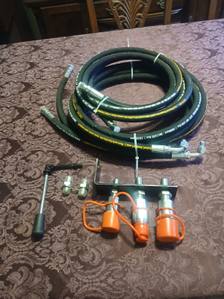
Whether a Raytree mulcher fits Bobcat mini excavators or a John Deere 50G depends on pin size; running it takes enough flow and a case drain.
Read more →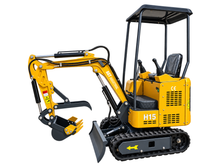
Compare CFG H15R mini excavator specs with the AGT H15 and KT13R, including weight, size, dig depth, engine and hydraulics.
Read more →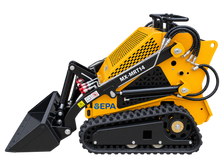
The AGT MX-MRW14 is a wheeled mini skid steer and the MX-MRT14 is the tracked one; here is how their specs compare.
Read more →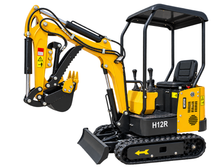
The 1-ton AGT H12R and QH12R share every spec but the thumb, so the choice comes down to whether you need a mini excavator with a hydraulic thumb.
Read more →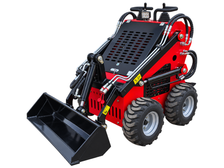
See the Future FT360T mini skid steer specs and how this tracked gas machine compares with the wheeled FT323TZ and the Vorx NL360.
Read more →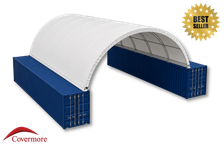
A 40x80 double truss fabric building sits on concrete piers, goes up arch by arch without a crane and takes about a week or a little more.
Read more →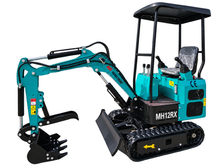
The AGT MH13RX is a gas powered mini excavator with an enclosed cab; here is how it compares with the open-canopy MH12RX and KT13R.
Read more →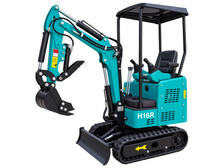
See the full AGT H13R mini excavator specs, from its 68.9-inch dig depth to its 475-pound lift, and how its weight compares.
Read more →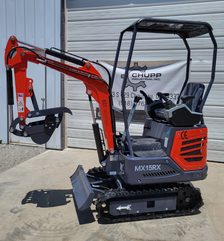
See the AGT MX15RX mini excavator specs, including its 65-inch dig depth and fixed thumb, and how it compares with the MH12RX and MX20R.
Read more →The MIVA VA15 mini excavator is a 1.5-ton class gas machine with a manual thumb; see how its specs compare with the H16R and KT13R.
Read more →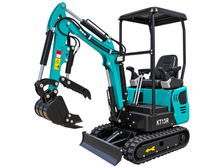
The Hightop HT12 is a zero tail swing mini excavator with a Kubota engine; see its published specs next to the gas KT13R and MH12RX.
Read more →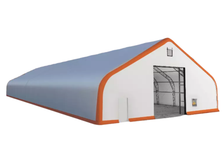
Two first-time builders can put up a 20x40x12 fabric building in about 30 hours; a 50x100x26 takes a crew one and a half to two weeks.
Read more →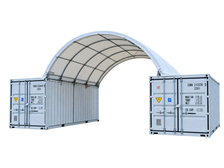
For a roof between two 20-foot shipping containers, set them about 20 feet apart and cover the gap with a Covermore 20x20 container shelter.
Read more →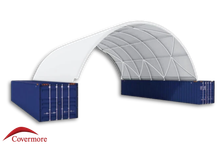
A custom fabric cover for a homemade arch frame is sized from two measurements: the overall length and the up-and-over distance.
Read more →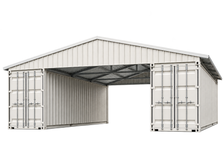
Size the gap for a shipping container roof kit by the widest vehicle that will use it, plus clearance, then match a listed kit.
Read more →
Add skid steer attachments when new work is occasional; buy a second machine when the work is steady enough to keep it busy.
Read more →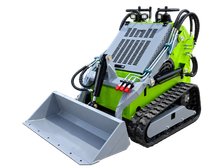
Mini skid steer weight ranges from 1,600 to 2,300 pounds: the ATS T460 is lightest at 1,600, the MXCR-T23 about 2,050, and the NL750 heaviest at 2,300.
Read more →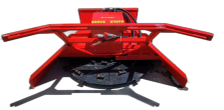
A drum mulcher cuts saplings cleanly to the ground and throws debris only a short distance; a disc mulcher frays stumps instead and throws debris far.
Read more →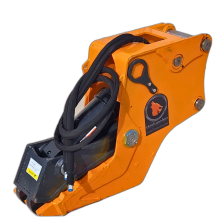
None of these mini excavators come with a hydraulic thumb; one is added, wired into the boom's auxiliary line, so you disconnect it to run an auger.
Read more →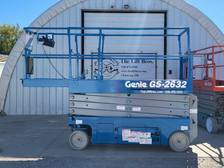
Used and refurbished scissor lifts differ mainly in paint, decals and new tires; mechanically, The Lift Bros rates the two the same.
Read more →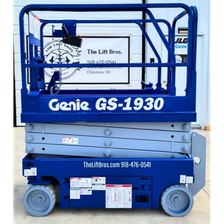
Scissor lift batteries last about five years; on a used lift, a set two years old or older is typically replaced with new batteries.
Read more →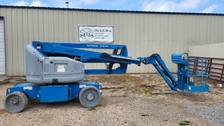
A tracked boom lift suits soft, finished ground and tight access; a wheeled rough-terrain boom lift suits open ground that can take tire weight.
Read more →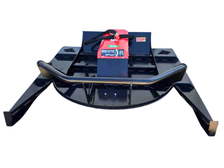
Skid steer brush cutter maintenance means checking blades, hydraulic seals, hardware and wear parts before small problems grow.
Read more →Whether a mini excavator attachment fits your machine comes down to pin size and spacing, not the brand of the excavator.
Read more →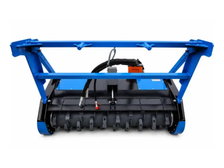
1,006 real freight quotes to 746 zip codes show what drives shipping cost: weight matters more over distance, and a loading dock beats a home delivery.
Read more →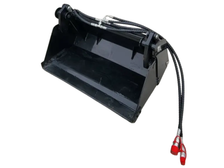
A starter skid steer attachment set is a bucket, a 4-in-1 bucket, pallet forks and a grapple; check hydraulic flow, coupler type and weight before any fit.
Read more →A Covermore container shelter kit includes the framework and the main cover; full enclosure walls are sold separately.
Read more →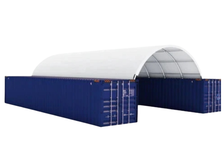
A Covermore container shelter ships by freight to a site with a forklift or to a freight terminal, where you pick it up and unload it yourself.
Read more →A Covermore container shelter can go on a pony wall or concrete blocks instead of containers, with some fabrication work to change the mount.
Read more →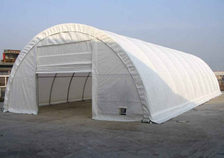
Container shelter end walls are sold separately from the Covermore kit and must match your high cube or standard-height containers.
Read more →Every Covermore fabric building ships with an installation manual and parts list, plus team tips on wall order, cover fit and tension.
Read more →A fabric building replacement cover set is the top and both end walls, fabric only, measured over the top with clearance from 6 to 12 inches.
Read more →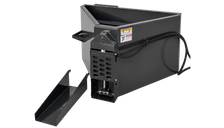
A skid steer concrete mixer mixes with an auger in the bucket and pours through a discharge at the bottom, so you shovel far less concrete.
Read more →What a Lovejoy coupling does on a mini skid steer brush cutter or a vibratory compactor, and how to get the right replacement.
Read more →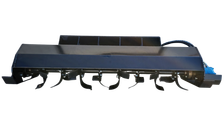
A two-pump mini skid steer runs attachments like a grapple or auger fine, but not a mower or tiller while you drive.
Read more →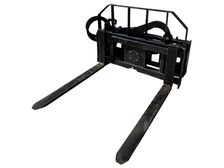
Heavy equipment shipping goes by LTL freight or on a flatbed trailer, and how you'll unload the machine decides which one fits.
Read more →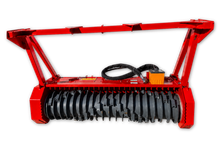
The 50-inch Raytree drum mulcher runs on standard flow and the 72-inch needs a high-flow skid steer, so your hydraulic flow decides the fit.
Read more →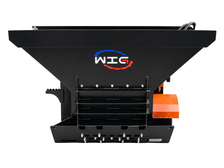
The WIG 72 skid steer asphalt crusher crushes to about two inches, runs on standard flow and clears a jam in reverse.
Read more →A portable restroom hooks up to a water line and to an existing septic system or holding tank through three plumbing connections.
Read more →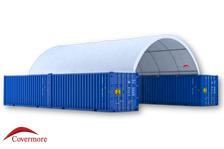
A 50x150 fabric building has a 13-foot sidewall, a 26-foot peak and about 48 feet of usable width inside, with near 25 feet of clearance under the trusses.
Read more →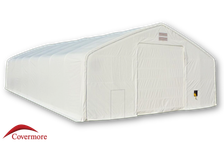
Fabric building base plates sit at every arch and bolt down to concrete, and a 50x100 building has 30 of them.
Read more →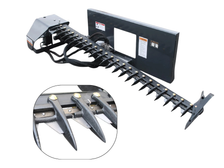
How the Wolverine 72-inch skid steer sickle bar mower tilts from the cab, what hydraulic flow it needs, and how thick a branch it cuts.
Read more →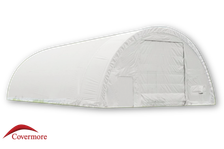
Covermore dual truss fabric building kits include end walls on both ends, each with a winch door on a track and a walk-through man door.
Read more →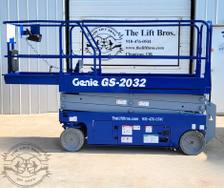
An aerial lift needs a look-over before every shift. Here is a practical walkaround, from the ground up, that takes minutes and prevents accidents.
Read more →Extreme heat is hard on aerial lift batteries, hydraulics, engines and crews, so here is what to check when the temperature climbs.
Read more →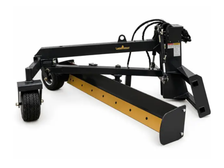
Buy a mini excavator if your work is mostly digging and a mini skid steer if it is mostly moving, grading and loading material.
Read more →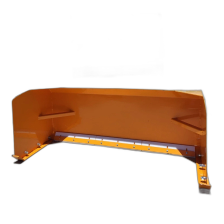
A skid steer snow blower moves deep snow that a pusher cannot. Here is what to check on flow, width and your machine before buying one.
Read more →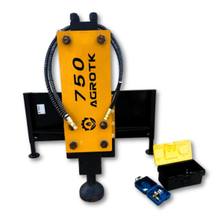
A post driver only earns its keep if it matches your machine's hydraulic flow, your ground and your posts; buy for your worst ground, not your best.
Read more →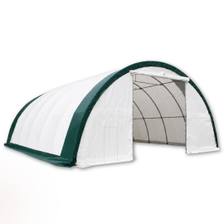
A fabric building covers a job site's storage, equipment and crew space; see how to size it, place it and reuse containers you already have on site.
Read more →Pole tents suit events and short-term cover, while tension fabric buildings suit storage, work space and long-term use, and here is how to pick.
Read more →A permit is often required for a fabric building, so here is what to ask your building department before you order and how to avoid a stalled job.
Read more →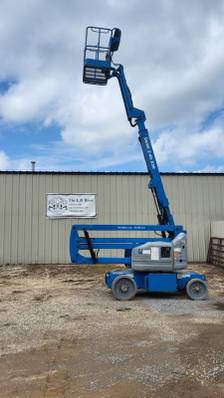
A boom lift's working height is platform height plus about six feet of reach, so a 45-foot spec can mean a platform floor closer to 39 feet.
Read more →Snow pushers and snow blades move snow differently. Here is how to pick between them for a lot, a drive or a whole town, and what to check on your skid steer.
Read more →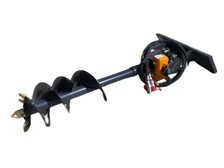
A full-size 72-inch skid steer bucket won't fit a mini skid steer; check hydraulic flow, rated capacity and mounting plate before you buy attachments.
Read more →Preparing a site for a fabric building means checking soil, drainage, slope, frost and access before the kit ships.
Read more →A fabric salt storage building from Covermore Buildings has to handle corrosion, loader traffic and wet weather. Here is what to check before you buy.
Read more →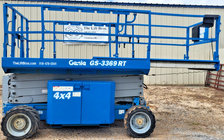
Scissor lifts go straight up, boom lifts reach out, mast lifts fit through doorways, and working height runs about 6 feet over platform height.
Read more →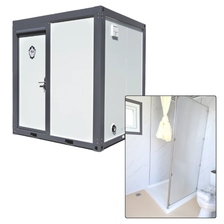
Buying porta potties for a jobsite? How crew size, hours and site layout decide between a single, dual or shower portable bathroom.
Read more →
Solenoid valves direct hydraulic fluid to your excavator or skid steer attachments. Learn what to inspect: leaks, corrosion, dirty connections, cracked hoses.
Read more →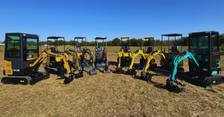
Mini excavator maintenance comes down to five checks: engine oil, fuel system, tracks, hydraulic system and quality replacement parts.
Read more →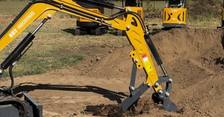
A mini excavator handles landscaping digging, grading, brush clearing, stump removal and trenching; add an auger, thumb or breaker for posts and rock.
Read more →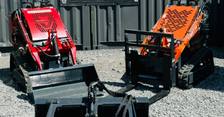
A mini skid steer fits tight spaces where bigger machines struggle. See how a bucket, angle broom, forks, grapple and auger handle landscaping jobs.
Read more →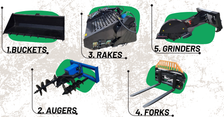
Five skid steer attachments for landscapers: bucket, auger, landscape rake, forks and stump grinder, and what each one does from fence posts to final grading.
Read more →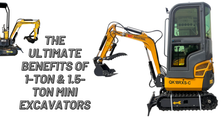
A 1-ton or 1.5-ton mini excavator tows on a trailer behind a properly rated truck or SUV and handles digging, grading and trenching in tight backyards.
Read more →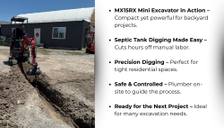
A mini excavator with an 8-foot digging depth and 42-inch width can reach a septic tank fast, working in layers and stopping right at the lid.
Read more →Fabric buildings go up faster and cost less — but steel has its place. Here is how to decide which storage building fits your property and budget.
Read more →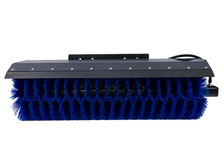
Choosing a skid steer push broom comes down to width, bristle type and a match to your machine's plate and flow.
Read more →A fabric building can work as a dairy barn or calving barn when ventilation, drainage, bedding and layout are planned right.
Read more →A fabric warehouse makes sense for dry storage and staging that need an open floor with no interior columns, but not for goods kept at a set temperature.
Read more →Farm equipment storage buildings made of tension fabric suit many farms, and this guide covers sizing, doors, site prep and heating.
Read more →Covermore fabric building kits ship without installation; here is who puts them up and what sets the install cost.
Read more →Covermore container shelters come 20, 26 and 40 feet wide; here is how to match a width to the spacing between your containers.
Read more →
A brush cutter handles brush and small stems while a drum mulcher takes trees and cedar, so pick the skid steer attachment that fits your land clearing.
Read more →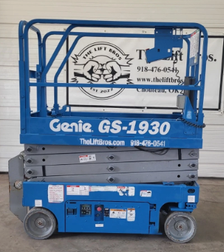
A 19-foot Genie scissor lift has about a 25-foot working height; a narrow micro model fits through doorways and elevators, a standard gives a bigger deck.
Read more →A shipping container roof kit is the roof, a container shelter is the finished building, and here is how to choose and plan one for your site.
Read more →Hours alone won't tell you if a used scissor lift is a good buy, so check the battery, the tires and what the inspection covered before you commit.
Read more →
The third hydraulic hose on a skid steer or track loader attachment is a case drain line. What it does, and what to do if your machine lacks one.
Read more →
A heavy duty shelter should suit your weather: 27 or 30 oz PVC covers on dual truss frames for snow country, 21 oz covers for the South and coast.
Read more →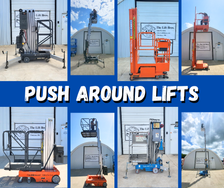
Discover push around lift options from JLG, Genie & Ballymore. Learn sizes, outrigger benefits, and best uses for warehouses, gyms, and more.
Read more →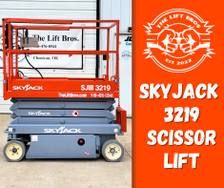
Getting to Know Your Skyjack Scissor Lift When it comes to reliable aerial work platforms, the Skyjack scissor lift is one of the most trusted and widely used models in the industry. Known for its durability, simplicity, and efficiency, the Skyjack 3219 in particular has become a staple on construct
Read more →
Renting vs buying a scissor lift: what adds up on a rental bill, and why a used lift can cost less over time and be resold later.
Read more →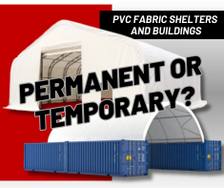
Fabric structures are PVC over a galvanized steel frame, go up in about a day and are not welded down, so they can be moved. Temporary and permanent uses.
Read more →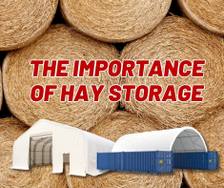
Good hay storage keeps bales dry, off the ground and ventilated, and a Covermore PVC fabric shelter covers hay from rain, snow and UV rays.
Read more →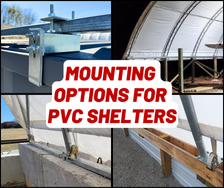
A PVC shelter can sit on a concrete pad, wood platform, precast concrete blocks, gravel with ground anchoring, or shipping containers.
Read more →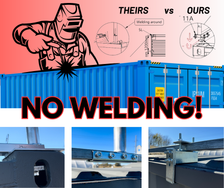
No. Covermore container shelters clamp and twist-lock to a shipping container's four corners, so basic tools do the job and the shelter can move later.
Read more →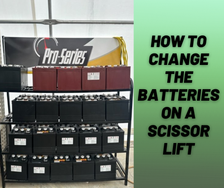
To change scissor lift batteries: disconnect the negative terminal first, lift out the old batteries, clean the tray, then reconnect positive terminal first.
Read more →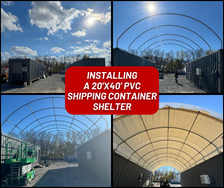
A 20x40 shipping container shelter installs in 8-10 hours with a 2-5 person crew and no welding. See the twist-lock steps and specs for its 15 oz PVC cover.
Read more →
These ten scissor lift safety tips cover pre-use inspection, weight limits, guardrails, wind and emergency lowering for anyone who works at height.
Read more →
For decades, ladders have been a go-to tool for construction and building projects. But asworksites become more safety-conscious, many companies are rethinking their reliance onladders in favor of scissor lifts. Why? The answer lies in improved safety, efficiency, andversatility. Here’s why it’s tim
Read more →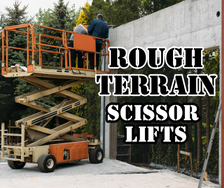
Rough terrain scissor lifts like the Genie 4390 RT reach platform heights up to 43 feet and carry 1,000+ pounds. Compare power options and safety features.
Read more →
Scissor lifts are essential tools for many industries, providing safe, elevated access to difficult-to-reach areas. To ensure these machines perform reliably and have a long service life, regular maintenance and care are key. Proper upkeep not only maximizes the lifespan of your scissor lift but als
Read more →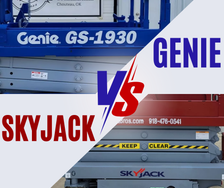
Skyjack SJIII 3219 vs Genie GS-1930: both reach 19 ft, but the Skyjack lifts 550 lbs vs 500 and is 32 in. wide vs 30. Weights, drives and controls compared.
Read more →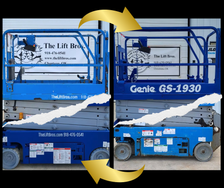
The Lift Bros handles scissor lift refurbishment in eight steps, from the first inspection to new tires, batteries and a final test.
Read more →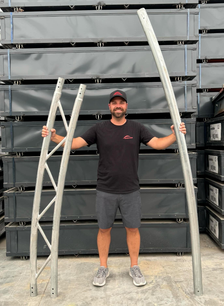
Dual truss fabric structures have a peaked roof and higher center height, built for larger equipment and heavy snow. Single pipe structures run lower.
Read more →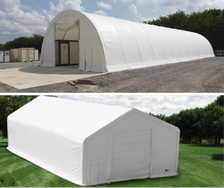
Fabric building cost comes down to the cover, frame and arch spacing, and the PE or PVC fabric decides how long the cover lasts before it needs replacing.
Read more →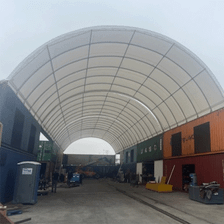
A tension fabric building pairs a galvanized steel frame with a PVC or PE cover built to last 9 to 12 years, with little upkeep beyond checking tension.
Read more →
Choose PVC fabric for high UV, strong wind and extreme weather; choose PE for a lighter cover that self-cleans in the rain and lets in more light.
Read more →