Scissor Lift Safety Tips: 10 Rules for Operators
These ten scissor lift safety tips cover pre-use inspection, weight limits, guardrails, wind and emergency lowering for anyone who works at height.
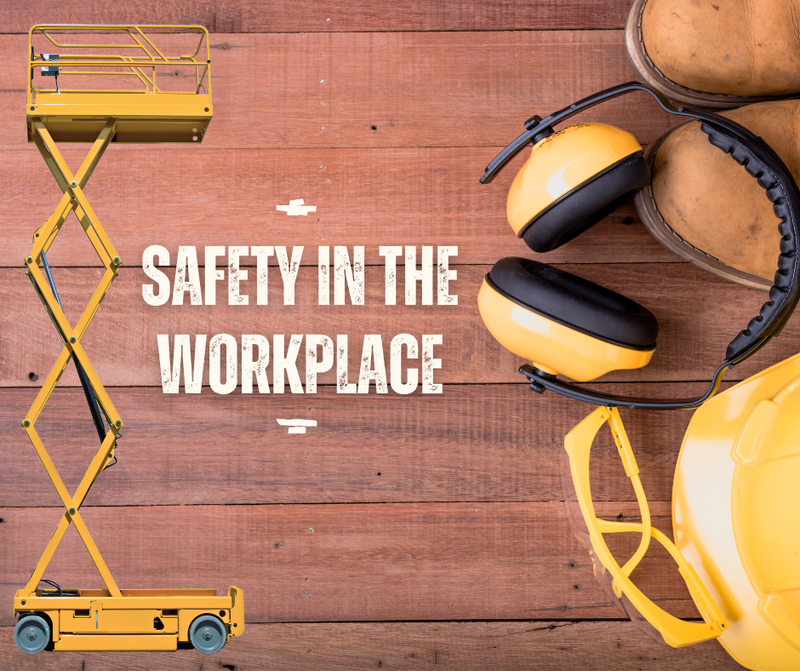
Scissor lift safety comes down to a few rules: inspect the lift first, stay within its rated weight and height, set it up on level ground, keep both feet on the platform, and know your emergency controls. These ten scissor lift safety tips cover each of those rules in turn.
Scissor lifts are vital tools for construction, maintenance and industrial projects, and an efficient way to work at height. However, improper use can lead to serious accidents.

What should you inspect before using a scissor lift?
Inspect the whole lift before you operate it, every time.
- Check for mechanical issues: examine the hydraulic systems, brakes and tires.
- Inspect guardrails and safety systems: make sure all components are secure.
- Review the manual: the manufacturer's guidelines list the specific inspection points for your model.
What are the weight and height limits on a scissor lift?
Every scissor lift has a rated platform height and weight capacity, and you should never go past either one.
- Exceeding the weight limit can destabilize the lift and increase the risk of a tip-over.
- Overextending past the rated height compromises safety.
Always follow the specifications listed in your lift's manual or on its data plate.
What safety gear do you need on a scissor lift?
Wear personal protective equipment (PPE) to reduce the chance of injury.
- Hard hats protect against falling objects.
- Harnesses and lanyards: when there is a risk of falling from the platform, follow the manufacturer's and your jobsite's fall-protection rules.
- Non-slip footwear improves traction on the platform surface.
How do you set up a scissor lift so it is stable?
Set the lift up on a level, stable surface.
- For rough terrain jobs, use lifts with four-wheel drive and leveling capabilities.
- Deploy outriggers or stabilizers properly if the lift has them.
- Never position a lift on soft ground without additional support.
Is it safe to lean over the side of a scissor lift?
No. Leaning too far over the side of the platform is a common cause of accidents.
- Keep both feet on the platform floor at all times.
- If you need more reach, use a larger lift or reposition the unit.
What hazards should you watch for around a scissor lift?
Watch for anything the lift or platform could hit, because collisions with other equipment or structures can cause injuries or damage.
- Survey the area for overhead hazards like power lines and low ceilings.
- Keep a safe distance from walls, beams and other obstructions.
Who should operate a scissor lift?
Leave the controls to workers who have been trained on the lift, and run them smoothly.
- Follow the manufacturer's manual for raising and lowering the platform.
- Avoid quick or jerky movements that can destabilize the lift.
How should you use the guardrails on a scissor lift?
Use the guardrails as your fall protection, and never as something to stand on.
- Do not stand or climb on guardrails.
- Make sure the access gates or chains are closed when the platform is elevated.
What weather conditions are too windy or wet for a scissor lift?
Follow the manufacturer's wind speed guidelines, and do not use a scissor lift during storms or strong gusts. Wind and rain can both create serious hazards when you work at height.
How do you plan for an emergency on a scissor lift?
Make sure everyone on the job can respond quickly if something goes wrong.
- Every worker should know how to use the emergency stop controls.
- Keep the emergency lowering procedures accessible and well understood.
If you are choosing a lift for a project, The Lift Bros can give advice on the best lift for the job.
Questions on the right machine for the job?
Straight answers on stock, freight, and what actually fits — no pressure.