Aerial Work Platform Types: Which One Fits Your Job?
Scissor, boom, mast and rough-terrain lifts each solve a different problem. Here is how to pick the aerial work platform that matches your work.
An aerial work platform is any machine that lifts people and tools to height. That covers a lot of ground. Scissor lifts, boom lifts, mast lifts and rough-terrain machines all count, and each is built for a different kind of job. If you are buying one, the type matters more than the brand. Here is how to sort it out.
The four main types of aerial work platform
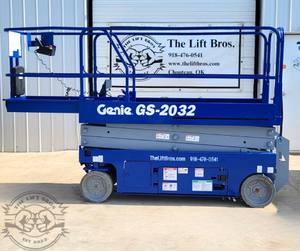
Scissor lifts go straight up and down on a criss-cross frame. The platform is big, the floor is stable and you can put two people and materials on it. They are the go-to for ceilings, warehouse work, lights, sprinklers and drywall.
Boom lifts reach up and out. An articulating boom bends at joints so you can work over obstacles, and a telescopic boom extends straight for maximum outreach. They are for work that you cannot get to from directly below.
Vertical mast lifts are compact, light and narrow. They fit through doors and into tight aisles. They suit maintenance work inside buildings where a scissor is too wide.
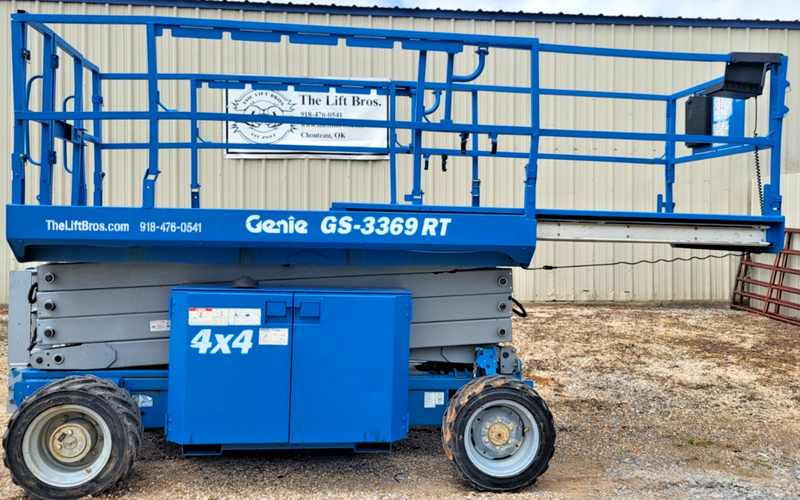
Rough-terrain lifts are built for dirt, gravel, slopes and uneven ground. They have big tires and often four-wheel drive. They are for outdoor sites where a slab-only machine would get stuck.
Start with where the work happens
Ask where the machine will stand. If it is a smooth slab indoors, an electric scissor or mast lift is quiet, clean and easy on floors. If it is outside, on grass or gravel, you need a machine that can travel it, which usually means a rough-terrain scissor or a boom.
Then ask what is around the work. A scissor lift wants straight-up access. If there is a machine, a rack or a roof edge in the way, a boom lift's reach is worth the extra footprint.
Height: platform height versus working height
Buyers often mix these up. Platform height is how high the floor of the platform rises. Working height is roughly that plus what a person can reach standing on it, commonly about six feet more. If you need to reach a spot at a certain height, work backward and confirm the platform height with a margin. Do not buy a machine that only just makes it.
Power: electric versus engine
Electric machines run on batteries. They are quiet, produce no exhaust and are the right choice indoors. Engine-powered machines, usually diesel or dual fuel, have more grunt outside and can run all day without a charging break.
Battery health matters a lot on a used electric machine. Ask how old the batteries are and what has been done with them.
Buying used: what a good deal looks like
A used aerial work platform can be an excellent value if it has been looked over properly. Look for a documented inspection, a working safety system, clean hydraulics and no fresh leaks. Ask what was repaired and what was replaced.
At The Lift Bros, we sell, repair and refurbish used aerial work platforms, and refurbished machines get a documented refurb. We are an authorized Genie, Skyjack and JLG dealer. We do not rent, so we have no reason to steer you toward a machine you do not need. Our business is selling the right machine once.
Single machine or a lot
Some buyers need one lift. Others, like a facilities crew or a contractor building a fleet, want several. We sell single machines and bulk lots, so you can start with one and add more when the work grows.
Questions to ask before you buy
- What is the tallest job the machine will do, and where?
- Will it work on a slab, or does it need to handle dirt?
- Does it need to fit through a door or into an aisle?
- Is it electric or engine driven, and what is the battery's condition?
- Who will service it if something breaks?
Work through that list and the right aerial work platform tends to pick itself. Talk it over with people who sell these every day.
Questions on the right machine for the job?
Straight answers on stock, freight, and what actually fits — no pressure.