
Mini Skid Steer Attachments: What Fits and What Does Not
A mini skid steer is not a small version of every attachment. Here is what to check on hydraulics, weight and width before you buy for a mini skid steer.
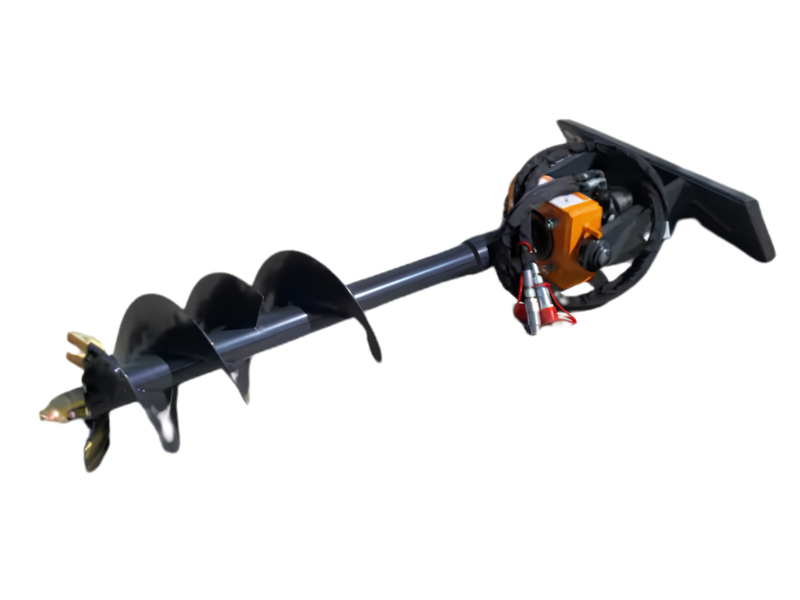
If you own a mini skid steer, you already know it can do a lot in a tight space. What people learn the hard way is that many attachments sold for full-size machines will not work on it. A mini skid steer has smaller frames, lower lift capacity and lighter hydraulics.
Full Size vs. Mini: Where the Difference Shows Up
Three things separate a full-size skid steer from a mini:
- Weight capacity. A mini tips easier with a heavy tool hanging out in front.
- Hydraulic flow. Some tools need more oil than a mini pumps.
- The mounting plate. The interface may be different, and the width of the machine limits how wide a tool can be.
An attachment that bolts up is not always an attachment that works. It can hook to the plate and then stall, lift poorly or make the machine unstable.
A Real Example: The 4-in-1 Bucket
The 4-in-1 bucket is a good example. The Pabreak 72-inch 4-in-1 bucket fits a full-size skid steer. It does not fit a mini skid steer, and that has caught people out. For a mini you want a bucket made for that class of machine, not the big one with a hopeful adapter.
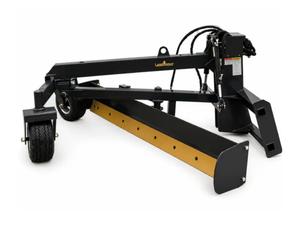
The same caution goes for grapples, breakers, augers and sweepers. Buy the size built for your machine.
What to Have Ready Before You Buy
Before any purchase, know these details:
- Your machine's exact make and model. Not "a small skid steer."
- Your machine's rated operating capacity. The lifting number that keeps it safe.
- Your machine's hydraulic flow and pressure. Compare them to what the tool needs.
- Auxiliary hookup. Some tools need one line. Some need a case drain too.
- Job. Digging, sweeping, grading and clearing all want different setups.
If you give us those, we can match tools to the machine. That is easier than sorting out a return after the fact.
Mini Skid Steer Jobs That Work Well
A mini skid steer earns its keep on:
- Landscaping in yards and gardens
- Small grading and leveling
- Moving pallets and materials through gates
- Light demolition and cleanup
- Trenching and tilling where a big machine would be in the way
Where it struggles: heavy digging into hard ground, heavy loads and big-acre clearing. For those, a bigger machine or a mini excavator is a better fit.
Breakers on a Small Machine
Breakers deserve a caution. A hydraulic breaker needs the right flow and enough machine weight behind it. Too small a machine will bounce and wear itself out. Pick the breaker class the machine can carry, not the one that looks impressive.
How to Read a Spec Sheet
Attachment listings can be confusing. Compare the attachment's weight, flow range and pressure to the machine numbers above, and add the attachment's weight to whatever you plan to carry so the total stays under your rated capacity. Also compare the tool's width to your machine and to the gates and lanes you work in; a tool much wider than the machine is harder to control in tight spots.
If a listing says "fits all skid steers," be careful. That claim rarely holds for a mini.
What to Do If It Does Not Fit
Sometimes you already own a tool and find out it is too big. Do not force it. An adapter can solve a mounting problem, but it will not solve a capacity or flow problem. Return it and buy the mini-sized version. That beats a tipped machine.
Buying from Chupp Industrial
We are in Chouteau, Oklahoma, and we ship nationwide. We sell 50 to 80 attachments a month and have been at it for about four years, so we see the fit questions constantly. If you give us your machine's make and model, our sales team can match tools to it.
A little time confirming fit before you order beats a return trip to the freight terminal.
Questions on the right machine for the job?
Straight answers on stock, freight, and what actually fits — no pressure.