
Boom Lift Size Guide: What Size Do You Need for the Job?
This boom lift size guide explains working height, outreach and platform capacity so you can match a lift to the work, not just the biggest number on a spec sheet.
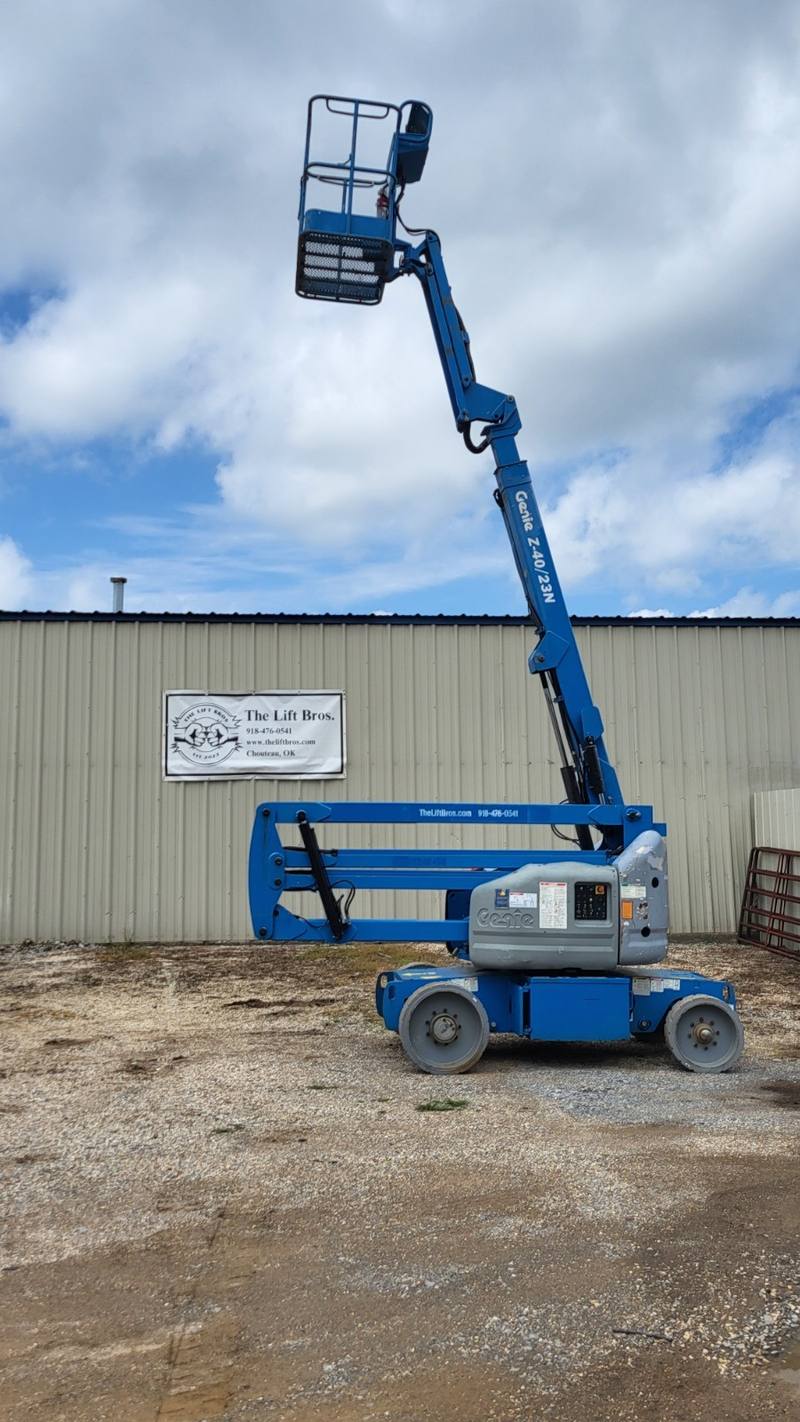
Picking a boom lift by the biggest number is how people end up with a machine that does not fit. This boom lift size guide walks through the measurements that matter and the questions to answer first.
Boom Lift Size Guide: Start with the Job, Not the Machine
Write down three things before looking at any listing:
- The highest point a worker has to reach.
- How far out from the machine's base that point is.
- What the worker needs to carry up.
Everything else follows from those.
Platform Height vs. Working Height
The listed size on a boom lift is usually the working height. That is the platform height plus an allowance for a worker's reach, often about six feet. The platform floor sits lower. If a spec says 45 feet, the floor might be around 39.
So if you need to stand at 40 feet, a machine advertised at 45 is borderline. Buy for the platform height you need and leave some margin.
Reach and Outreach
Height is only half of it. Horizontal outreach is how far the basket can extend away from the base. It matters when:
- You have to reach over a roof edge, a fence or a piece of equipment.
- The machine cannot park directly beneath the work.
- You need to get past an obstacle.
A straight telescopic boom gives the most horizontal reach for its size. An articulating boom bends, so it can go up and over. If you need to work around things, an articulating boom often wins even if the numbers look smaller.
Sizing by Type of Work
Rough guides, since every site differs:
- Low interior and maintenance work. Smaller booms and scissor lifts may do the job.
- Exterior building work, two or three stories. A mid-size articulating boom is common.
- Tall structures, steel and industrial sites. Larger telescopic booms.
- Rough or muddy ground. A rough-terrain machine, often with four-wheel drive.
Weight, Width and Transport
A bigger machine costs you in other ways:
- Weight. Floors and soft ground can only carry so much.
- Width and turning. Will it fit through the gate and around the building?
- Hauling. Can your trailer and truck move it?
- Power. Electric machines are quiet and good indoors. Diesel machines are better on rough ground.
Platform Capacity
Ask what the worker plus tools plus materials weigh. Exceeding rated capacity is a safety problem. A small basket with a big load is a bad match.
Jibs and Extras
A jib is a short extra arm at the end of the boom that gives the basket more flexibility. It helps you get up and over or position more precisely. Not every job needs one, but if you work around obstacles, it is worth a look.
New vs. Used
Once you know your size, used is often the practical way to get it. We are an authorized JLG, Genie and Skyjack dealer in Chouteau, Oklahoma. We sell, repair and refurbish used aerial work platforms, from single machines to bulk lots. We do not rent. Refurbished machines get a documented refurb.
Common Sizing Mistakes
- Buying for the tallest job of the year. If it happens once, a one-day rental elsewhere may make more sense than owning the largest machine. We do not rent, but it is worth thinking about honestly.
- Ignoring the ground. A big machine on soft ground is a bigger problem than a small one.
- Forgetting the gate. Measure the narrowest point between the truck and the work.
- Skipping the weight. Check the machine's weight against any floor, deck or trailer it will sit on.
Ask Before You Buy
Send us the height, the reach and the site conditions. We can tell you which sizes are worth looking at and which are not.
The Short Version
Know your height, your outreach and your load. Add a margin. Check the ground and the transport. Then choose a machine that fits, not one that impresses.
Checking a Machine Before You Commit
Once a size looks right, ask for the capacity plate, the working envelope chart and the inspection history. The envelope chart shows how high and how far the basket can go at the same time, and the two numbers trade off against each other. Any honest seller will show you all three. If they cannot, move on to a seller who can.
Questions on the right machine for the job?
Straight answers on stock, freight, and what actually fits — no pressure.