

Temporary and Permanent Fabric Structures: Unlock Flexibility, Durability, and Endless Possibilities
Tension fabric buildings work as temporary shelters or permanent shops, go up within days and generally cost less per square foot than a steel building.
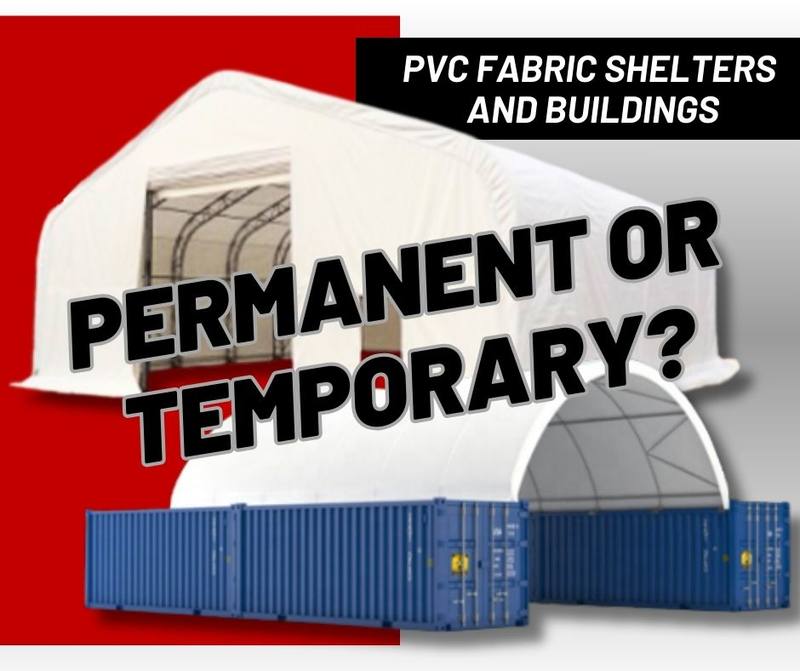
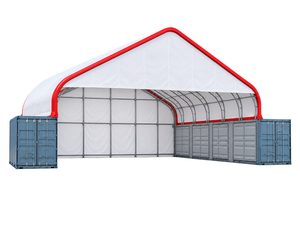
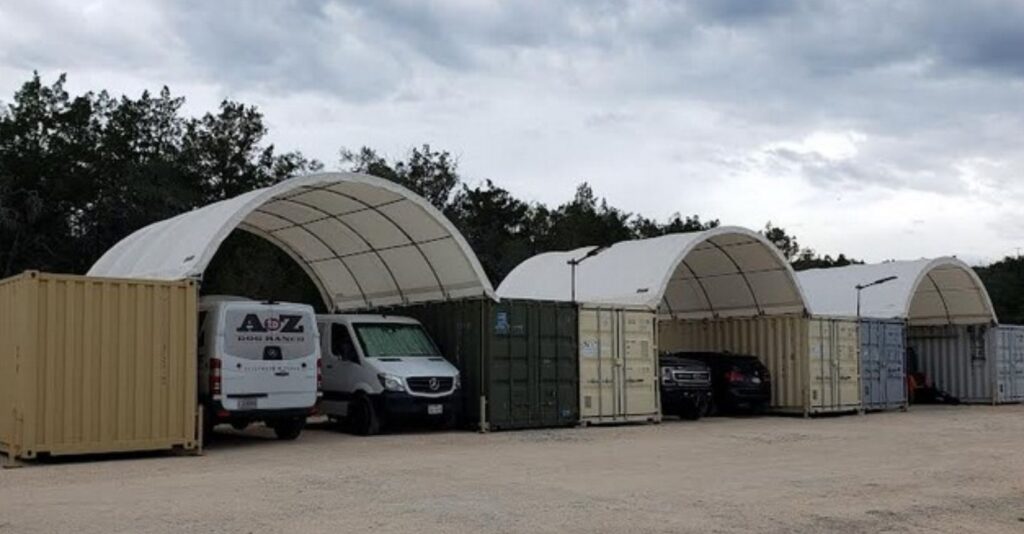
Fabric buildings work for both temporary and permanent use, from a short-term shelter on a construction site to a year-round shop, storage building or RV cover. Covermore Buildings sells tension fabric buildings that often cover shipping containers or stand on their own, and for business, construction or personal use they are a practical alternative to a conventional steel building.
What are tension fabric buildings made of?
A tension fabric building has two parts, a steel frame and a fabric cover, and the cover is pulled tight across the steel ribs of the frame. That tension is what keeps the building stable and durable, and the steel frame gives it its strength.
- Frame: the frame is galvanized steel.
- Cover: the frame is enclosed by a tension fabric made from PVC (polyvinyl chloride) or PE (polyethylene).
How fast does a fabric building go up?
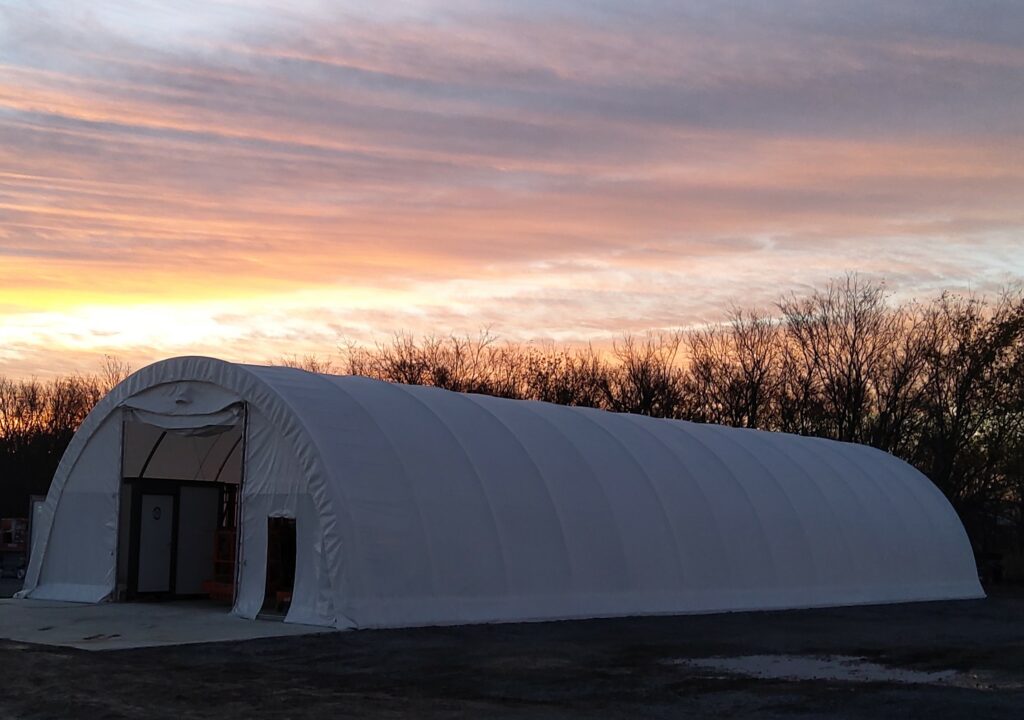
A tension fabric building's fabric roof system can be installed within days, a fraction of the time it takes to install a steel or metal roof. Going up that fast saves on operating delays, labor costs and overall project timelines.
Can I use a fabric building as a temporary shelter?
Yes. Temporary use is one of the main advantages of fabric buildings. If you need to protect tools, equipment and construction materials from the elements at a construction site, or create a sheltered space for an event, a fabric building can be put up for the job and come down when the need is over. Our Covermore shelters are not welded into place, which makes them a good fit for job sites that are only needed for a shorter period, and for construction companies whose job sites change.
A fabric building can be disassembled and moved, but we do not suggest relocating a tension fabric building several times.
Can a fabric building be a permanent building?
Yes. While fabric buildings are often used temporarily, many businesses and individuals choose them for long-term use. The buildings are easy to maintain, which makes them a good fit for permanent storage and workshop space.
Can a fabric building be used as an RV cover and personal storage?
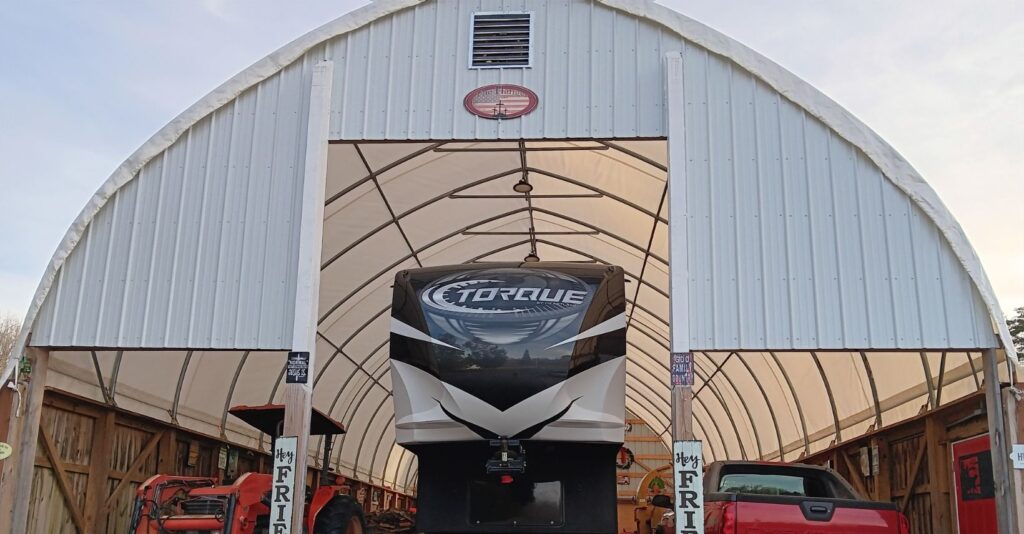
Yes. One of our customers built their shelter on custom pony walls to use as an RV cover and personal storage. Setting the shelter on pony walls combines the flexibility of a fabric building with the stability of a permanent base, creating a long-lasting solution for storage. If that covered space sits empty part of the year, a marketplace like ParkingMate lets you rent RV, boat or vehicle storage spots to people nearby.
Can a fabric building work as a mechanic workshop?
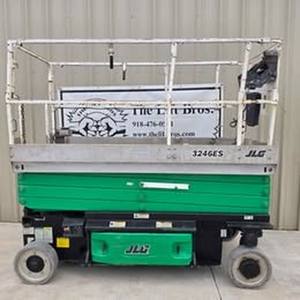
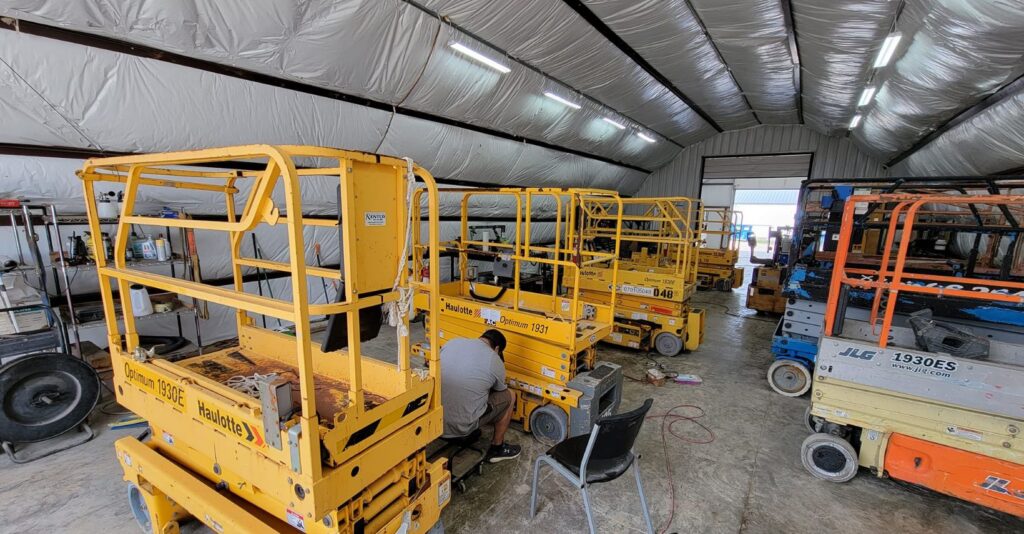
Yes. Our sister company, The Lift Bros, used a fabric building to create a year-round mechanic workshop for repairing aerial man lifts. The Lift Bros added insulation for better temperature control and customized the building for their specific business needs.
Can I add walls, doors or insulation to a fabric building?
Yes. Fabric buildings can be customized to fit how you will use them:
- Walls, doors and accessories: add front and back walls, doors and other accessories for more privacy, security and weather protection.
- Insulation: insulate the building to create a climate-controlled space for a workshop or storage.
Are fabric buildings cost efficient?
Yes, fabric buildings are cost efficient. A fabric building generally costs less per square foot than traditional construction, while traditional steel buildings, especially permanent facilities, require a high initial investment in materials. A fabric building also has lower maintenance costs than a permanent building.
Our Covermore fabric buildings and shelters also have an all-white cover that lets natural light come through the fabric, saving energy on the other lighting sources a metal building would need. The interior is bright and naturally ventilated.
How long does a fabric building last in wind, rain and sun?
At Covermore, we estimate a tension fabric building's working life at 9 to 12 years, with proper maintenance. The galvanized steel frame resists rust, and the fabric cover is designed to stand up to UV rays, rain, snow and extreme temperatures. The cover is water resistant, and it holds up well through heavy wind and rain, including here in northeast Oklahoma, which sits between the plains and the Ozarks and gets plenty of both. One of our buildings has been up about five years, and the covers do not fade, even in hot sun.
What kind of damage does the fabric take?
The only damage we have seen on our Covermore fabric buildings in about 7 to 8 years has come from forklifts poking holes in the side, not from weather. Even those holes did not rip any further on their own before they were patched.
How do you clean and maintain the fabric cover?
Clean the fabric cover with water, a mild dish soap and a soft sponge without hard edges. Do not use harsh chemicals, astringents or corrosive substances; they can damage the fabric.
Check the tension every few months to make sure the material is not sagging between the arches. Beyond that, a tension fabric building is low maintenance, and with proper care the building or shelter will have a longer life span.
Can mice and other pests get in?
Yes, mice and other small animals can get into a tension fabric building, because the building is not fully sealed. The fabric itself is solid, not like a typical tarp, so it would take a lot for an animal to claw through it. A metal building, especially one set on a concrete foundation, offers a better chance to seal rodents out.
What are tension fabric buildings used for?
Tension fabric buildings keep personnel, equipment, supplies and other items out of the weather, for business or personal use. They are clear span, so the usable storage space is not blocked by the poles and beams that other types of buildings often need. With no center posts, you can park and maneuver equipment inside. Our tension fabric buildings range in size from small shelters up to 50x100 clear-span buildings.
Common uses include:
- Vehicle garage
- Equipment and machinery storage
- Hay storage
- Livestock
- RV and boat sheds
- Sports and recreation space
- Manufacturing space
- Jobsite warehouse
- Mineral storage
- Mining sites
- Oil and gas sites
- Ports
- Warehousing and storage
Is a tension fabric building or a steel building right for me?
For most storage and shelter needs, a heavy-duty PVC tension fabric building is the right fit: it gives you the space you need with a lot less hassle than a steel building. A steel building is the best fit when you need a fully insulated, climate-controlled, permanent structure, because insulation is not ideal for every fabric building, depending on its size. A fabric building and a steel building both protect your equipment; they just get there differently.
Questions on the right machine for the job?
Straight answers on stock, freight, and what actually fits — no pressure.