
Skid Steer Snow Blower: When It Beats a Pusher and What to Check
A skid steer snow blower moves deep snow that a pusher cannot. Here is what to check on flow, width and your machine before buying one.
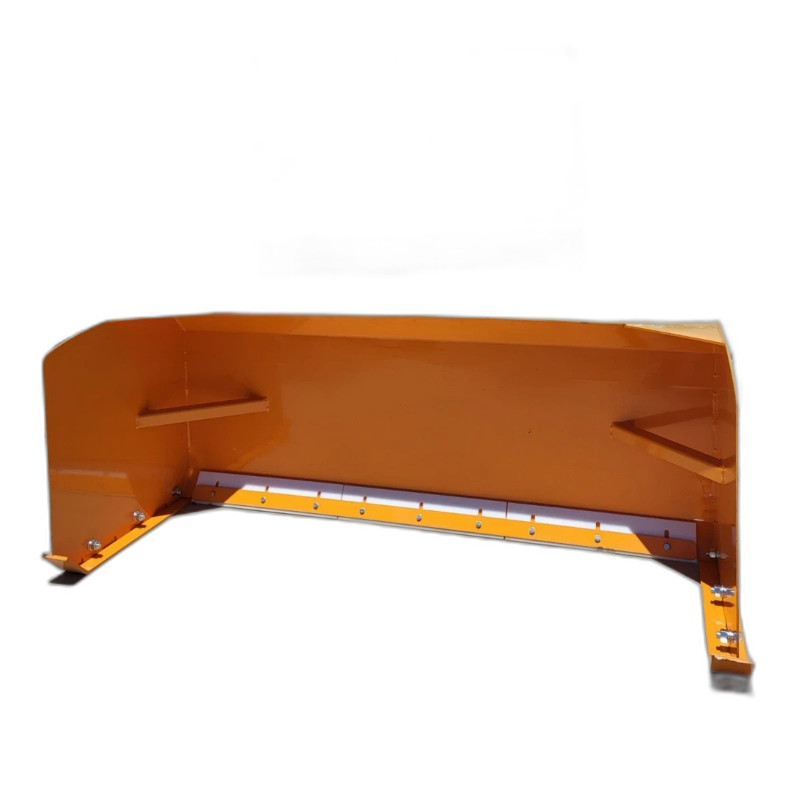
A pusher moves snow from one place to another. A skid steer snow blower moves it away. If your lot has nowhere to stack more, or the snow is deep and heavy, a skid steer snow blower may be the tool you need.
Chupp Industrial, in Chouteau, Oklahoma, sells skid steer and mini skid steer attachments and ships nationwide. Here is how to tell if a blower fits your winter.
When a blower makes sense
A blower earns its keep when:
- You have run out of room to pile snow
- Drifts are deeper than a pusher can shove
- You need to cast snow over a fence, bank or into a truck
- Your sites are tight, with no open spot for a pile
A pusher or blade is still simpler for wide open lots with a lot of space. A blower is the answer when space is the problem.
Your machine sets the limit
A blower is only as good as what runs it. Check these first:
- Auxiliary hydraulic flow. The blower needs a certain flow to turn its auger and fan. Too little flow means slow, weak throwing.
- Machine size and lift. A heavy attachment on a small machine makes for an unsafe, unstable rig.
- Coupler style. The mount must match your machine.
- Full-size or mini. What fits a full-size skid steer may not fit a mini. Confirm before you buy.
If you send us your make and model, our sales team can help you check what fits.
Width and how fast the job goes
A wider blower clears more per pass, but it asks more of the machine. A narrower one goes slower but works in tight places. Think about the width of the lanes and drives you clear and pick accordingly.
Chute control and throwing distance
Look at how the chute rotates and how easily you can aim it. You do not want to throw snow onto a car or a neighbor. A chute you can adjust from the seat, without stopping, saves time.
Wet snow and packed snow
Light powder is easy. Wet, heavy snow and hard-packed windrows are the real test. Ask the seller how the unit handles heavy snow, and be honest about what your winters look like.
Cab, heat and visibility
The machine matters as much as the attachment. An enclosed cab with heat, and good lights, makes long snow runs bearable and safer. Snow blowing at night, in blowing snow, needs visibility. Add work lights if your machine lacks them.
Care and off-season storage
After winter:
- Clean out packed snow and ice
- Check the auger and housing for wear
- Grease fittings as the maker recommends
- Inspect hoses and couplers
- Store it dry
A blower left wet over summer is a blower with rust.
Buying early
Winter tools sell when the first storm hits. If you wait until the forecast turns, you may be waiting on freight. Order in the off-season so it is in your yard before you need it. We ship nationwide.
Questions to ask
- What flow does it need?
- Will it fit my machine and coupler?
- How wide is it, and how far does it throw?
- What parts wear, and are they easy to get?
Blower or blade: a quick way to decide
Look at your last bad winter. Did you run out of places to put the snow? Did you push the same pile higher and higher until the machine could not reach the top? If so, you need to move it out, and a blower does that. If you always had a wide, open place to shove it, a blade or pusher is the simpler tool and easier to store.
Winter downtime costs
A machine that will not start on the morning of a storm costs you customers. Keep the battery charged, the hydraulic fluid fresh and the couplers clean before the season starts. Make sure quick couplers are not iced up.
Operating tips
Go slow in deep snow and let the auger do the work. Take a full-width pass when you can, and overlap your lanes a little. Keep the chute pointed downwind. Never clear a jam with the attachment running or the machine in gear; shut down, lower it and wait for everything to stop first.
Tell us about your machine and your lot and we will help you check the fit.
Questions on the right machine for the job?
Straight answers on stock, freight, and what actually fits — no pressure.