


Septic Tank Digging: Why a Mini Excavator Saves Time & Effort
Septic tank digging goes faster with a mini excavator; here is how we used our MX15RX, plus prep steps, digging method and safety tips.
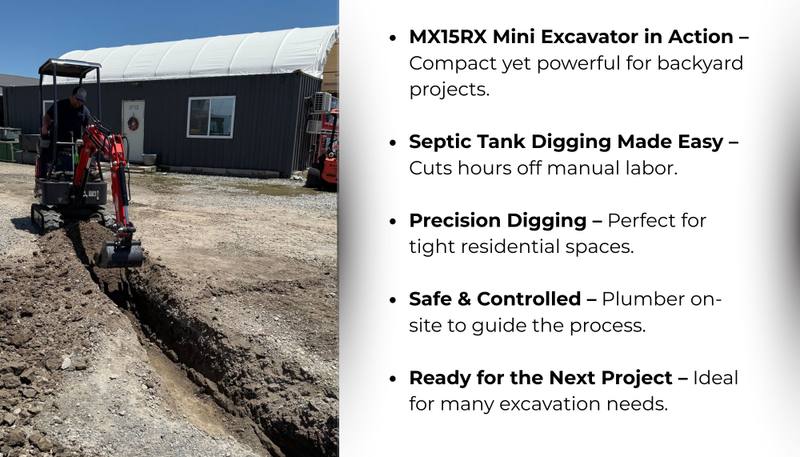
Septic tank digging goes much faster with a mini excavator, which is often the most practical and cost-effective way to reach a septic tank. It can save hours or even days of manual work and makes less mess in your yard. By hand, the job is challenging and labor-intensive, whether you are repairing, inspecting or replacing components of your septic system.
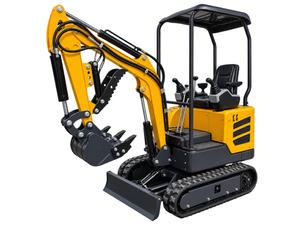
At Chupp Industrial, we used our MX15RX mini excavator to reach a septic tank, and the difference in speed and efficiency was remarkable. This guide shares that experience, tips for success and the safety considerations to know before any septic tank digging.
Why use a mini excavator to dig out a septic tank?
A mini excavator is often the most practical and cost-effective choice for septic tank digging, because it does the heavy work of the job for you.
- Efficiency – It moves dirt far quicker than manual labor, making the project significantly faster.
- Precision – The compact size lets you dig accurately with minimal disruption to your yard.
- Accessibility – It fits tight residential spaces that larger machines can't reach.
- Reduced labor costs – Less manual work means fewer labor hours.
- Operator comfort – It is designed for stability and ease of use, reducing strain on the operator.
What are the MX15RX mini excavator specs?
The MX15RX mini excavator is small enough for backyard access yet powerful enough to dig down to a septic tank, which made it a good match for this project. Its key specs:
- Operating weight: 3,700 lbs – light enough for residential use, heavy enough for digging depth
- Engine power: 15 HP diesel for strong, reliable performance
- Digging depth: up to 8 feet, enough to reach septic tank lids and connections
- Bucket width: 12 inches – narrow enough for targeted digging around septic systems
- Compact width: 42 inches, so it maneuvers through gates and between landscaping
What should you do before digging to a septic tank?
Before you dig, find the tank, have your utilities marked and plan how the machine will get in. Proper preparation reduces risk and prevents costly mistakes around a septic system.
- Locate the septic tank – Use property records or septic system diagrams to find its exact position.
- Mark utilities – Contact your local "Call Before You Dig" service to identify underground gas, water and electrical lines.
- Bring in a plumber – We had a plumber on-site during our dig to ensure accuracy and avoid damage.
- Assess yard access – Make sure the mini excavator can get close enough without damaging landscaping or driveways.
- Plan your dig path – Avoid tree roots, irrigation lines and fragile ground.
How do you dig up a septic tank with a mini excavator?
Dig in steady, shallow layers and stop at the lid. That layered approach helps you avoid damaging the tank.
- Position the machine – Place the excavator in a stable spot with a clear swing path.
- Remove topsoil carefully – Start with a shallow scrape so you don't hit anything unexpected.
- Dig in layers – Work in passes, going deeper gradually to keep control.
- Watch for signs of the tank – Look for concrete or fiberglass surfaces as you approach depth.
- Use a spotter – Have someone guide you from outside the cab for accuracy.
- Stop at the lid – Avoid direct contact with the tank to prevent cracks or damage.
What safety steps matter when digging to a septic tank?
Involve a licensed professional and identify every line and pipe before you dig. Safety is the most important part of any digging project, especially around a septic system, so always err on the side of caution.
- Have a licensed professional present – Septic systems are complex, and improper digging can cause expensive damage. We had a plumber on-site for our dig.
- Identify all lines and pipes first – Striking a water or gas line can be dangerous and costly.
- Operate equipment responsibly – Follow the manufacturer's guidelines for your mini excavator.
What should a first-time operator know about septic tank digging?
If you are new to a mini excavator, practice with the controls first, use a smaller bucket and slow down near the tank. These tips work alongside the preparation and safety steps above, not in place of them.
- Practice before the dig – Get familiar with the controls in an open area.
- Choose a smaller bucket – A smaller bucket reduces the chance of damaging pipes or the tank.
- Work slowly near the tank – Precision matters most in the last foot of digging.
- Keep soil piles manageable – You'll need to backfill the hole later.
What size mini excavator do you need for septic work?
For septic tank digging, choose a mini excavator with enough digging depth to reach the tank lid and a compact width that fits through your site's access points. The MX15RX, with the depth and width listed in the specs above, was our go-to machine for this project. Chupp Industrial sells mini excavators for residential and light commercial work, and they come in different digging depths, widths and horsepower levels, so check those numbers against your own site before you choose.
How much time does a mini excavator save on septic tank digging?
Using the MX15RX mini excavator turned our septic tank access project from a backbreaking multi-day chore into a quick, controlled job. By planning ahead and working carefully, we avoided damage to the tank and the surrounding utilities.
If you're facing a similar project, a mini excavator can save you significant time and effort while improving precision. Just remember:
- Always mark your utilities.
- Work slowly and methodically.
Questions on the right machine for the job?
Straight answers on stock, freight, and what actually fits — no pressure.