Scissor Lift Maintenance: Daily Checks, Batteries and Hydraulics
Scissor lift maintenance comes down to daily checks, clean and greased parts, cared-for batteries and dry storage.
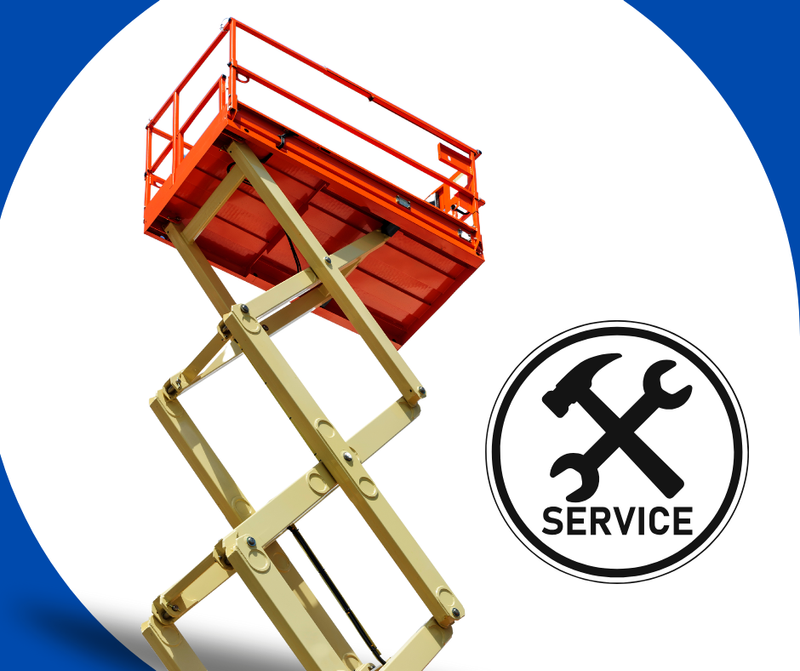
Scissor lift maintenance is mostly simple: a quick check before every use, a clean and greased machine, cared-for batteries and dry storage. Done regularly, it extends the life of the lift, prevents costly repairs and keeps the machine running reliably for the operator.
The Lift Bros sells used and refurbished scissor lifts, and these are the upkeep steps we point buyers to.
How Much Maintenance Does an Electric Scissor Lift Need?
An electric scissor lift like the JLG 20MVL is pretty maintenance-free. Its main jobs are topping off the battery water once a year and greasing a couple of grease points, both covered below, plus a quick check before each use.
What Should You Check on a Scissor Lift Before Every Use?
Check the fluids, tires, hoses, controls and safety features on a scissor lift before every use. A quick daily inspection can catch minor issues before they turn into bigger, more expensive repairs.
- Fluid levels: hydraulic oil on every lift, and fuel on engine-powered lifts. Low hydraulic fluid can cause poor lift performance or damage hydraulic components.
- Hydraulic hoses, seals and cylinders: look for leaks, wear or cracking, and replace worn parts right away.
- Tires and wheels: check inflation on pneumatic tires, look for cracks, gouges or other wear on solid or pneumatic tires, and replace tires with significant damage. Misaligned wheels can make the lift veer or move unevenly.
- Control systems: make sure all functions operate smoothly.
- Safety features: emergency stop buttons and guardrails.
- Decals and warning labels: make sure they are visible and legible.
Why Should You Keep a Scissor Lift Clean?
Keeping a scissor lift clean stops debris, dust and dirt from damaging its mechanical and electrical components. Pay attention to:
- The platform and controls: wipe off dirt, oil or grease that could cause slipping or affect operator control.
- The hydraulic systems: clean hydraulic parts regularly so dust and grime do not build up and cause blockages or inefficient operation.
- The undercarriage: remove mud, rocks and loose material that can get caught in the lift mechanism or damage the tires.
A regular cleaning routine helps preserve the lift's function and appearance.
Which Parts of a Scissor Lift Need Grease?
Grease the moving parts of a scissor lift: the scissor arm hinges and pins, the hydraulic cylinder joints, and the bearings and wheel axles. Your owner's manual lists the recommended lubricant and how often to apply it. Well-lubricated parts wear less, which extends the life of the machine.
How Do You Check Battery Health on an Electric Scissor Lift?
To keep electric scissor lift batteries healthy, check the water once a year, keep the terminals clean and charge after every use. A set of scissor lift batteries lasts about five years when properly maintained, and some brands have gone six or seven years.
- Charge the battery after every use, and avoid letting it fully drain, since that can shorten its lifespan.
- Once a year, pop the caps off, check the water level and top it off with distilled water.
- Clean the battery terminals regularly and apply a corrosion inhibitor to prevent corrosion.
Regular battery care helps the lift run longer between charges, which saves time on the job.
What Is on a Scissor Lift Maintenance Schedule?
A scissor lift manufacturer's maintenance schedule typically covers more in-depth inspections and servicing than the daily checks, such as:
- Replacing hydraulic fluid and filters
- Checking motor brushes on electric lifts
- Tightening bolts and fasteners
- Calibrating control systems
Follow the recommended schedule for your model so the lift is maintained to its specific needs.
How Should You Store a Scissor Lift When It Is Not in Use?
Store a scissor lift in a dry, covered location with the brakes engaged. Rain, snow and direct sunlight can damage the paint, electronics and hydraulic systems, and engaging the brakes when parking prevents accidental rolling. For anything else about how to leave the lift parked, follow your owner's manual.
Proper storage cuts wear and tear during downtime so the lift is ready when you need it. Our sister company, Covermore Buildings, has PVC fabric buildings and shelters that can help keep equipment out of the elements.
Questions on the right machine for the job?
Straight answers on stock, freight, and what actually fits — no pressure.