
Dairy Barn or Calving Barn: Will a Fabric Building Work?
Thinking about a fabric building for cattle? Here is what matters for ventilation, light, bedding and layout, and when it is not the right call.
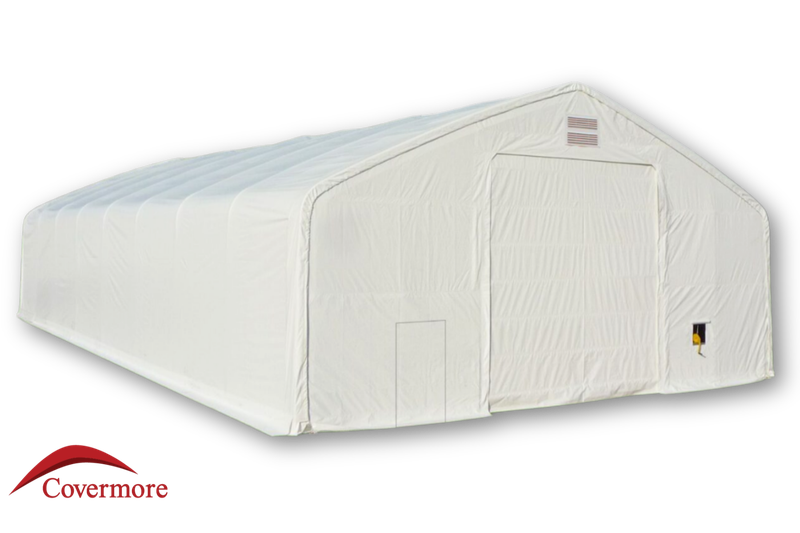
A dairy barn or a calving barn has to do a hard job. Animals need clean air, dry bedding, light, and room to move. People need to work in it at all hours. Many producers now ask whether a fabric building can fill that role. Sometimes it can. Here is how to think it through.
Why producers look at fabric for a dairy barn
The open interior is the first reason. With no posts down the middle, you can lay out pens, alleys and feed lanes the way you want, not the way the frame allows. You can also change that layout later.
The second reason is light. A fabric cover lets daylight in, so the barn feels bright without a row of electric fixtures burning all day. Good light helps you see an animal that is off, and it helps crews work safely.
The third is speed. Calving season does not wait. A structure that goes up faster than a full build can be ready when you need it.
Ventilation comes first
Whatever you build, ventilation is the make-or-break item. Cattle give off heat, moisture and ammonia. A closed, stuffy barn breeds respiratory trouble, especially with young calves.
Plan for air to move in from the sides or ends and out through the peak. Curtain sidewalls, open ends and adjustable vents all help. You need more airflow in summer and less draft on the animals in winter, so choose an approach that lets you adjust. Tell your building seller what you plan to house before you pick a design.
Flooring and bedding
The cover is only half the building. The floor is where a barn succeeds or fails. You need drainage, a surface that is not slick, and bedding that stays dry. Think about how you will scrape or clean, how manure moves out, and where water runs during a heavy rain. Build the pad high enough that runoff goes away from the barn, not into it.
A calving barn has its own needs
A calving setup is smaller and more hands-on than a full dairy barn. You want pens that can be split and rejoined, a spot for a cow that needs help, clean bedding, and light you can rely on at 3 a.m.
You also want a barn you can reach quickly. Put it near the house or the calving area, with power and water close. A fabric building works well as a seasonal or expandable calving space because you can size it to the herd and grow it later.
Where fabric may not be the right answer
If you need a fully insulated, climate-controlled milking parlor, or a barn with heavy equipment hanging from the structure, look at a conventional build. Fabric is a covered, open-span shelter. It is not a heated, sealed room.
What we bring
We are a family equipment business in Chouteau, Oklahoma. We sell tension fabric buildings, and we ship them nationwide.
Fabric shelters generally go up faster than a conventional build, which helps when the season is close. Financing is available if you would rather spread out the cost before calving season hits.
Think about handling and traffic
How animals and people move through the barn matters as much as its size. Give every pen a way out that does not run through another pen. Keep alleys wide enough for a skid steer or a feed cart, and put gates where you can reach them with one hand while holding a bottle or a tool. A barn that is easy to work in gets used properly, and a barn that is a chore gets neglected. Sketch the flow of a normal chore round and a night emergency before you settle on the footprint.
A short planning list
- Decide the number of animals and the stage of life you are housing.
- Plan airflow before you pick the building width.
- Grade the pad so water leaves the site.
- Bring power and water close.
- Leave room to add pens or extend the building later.
Get those pieces right and a fabric barn can serve a dairy or calving operation well for years.
Questions on the right machine for the job?
Straight answers on stock, freight, and what actually fits — no pressure.