
Snow Pushers vs. Snow Blades: Which One for Your Skid Steer?
Snow pushers and snow blades move snow differently. Here is how to pick between them for a lot, a drive or a whole town, and what to check on your skid steer.
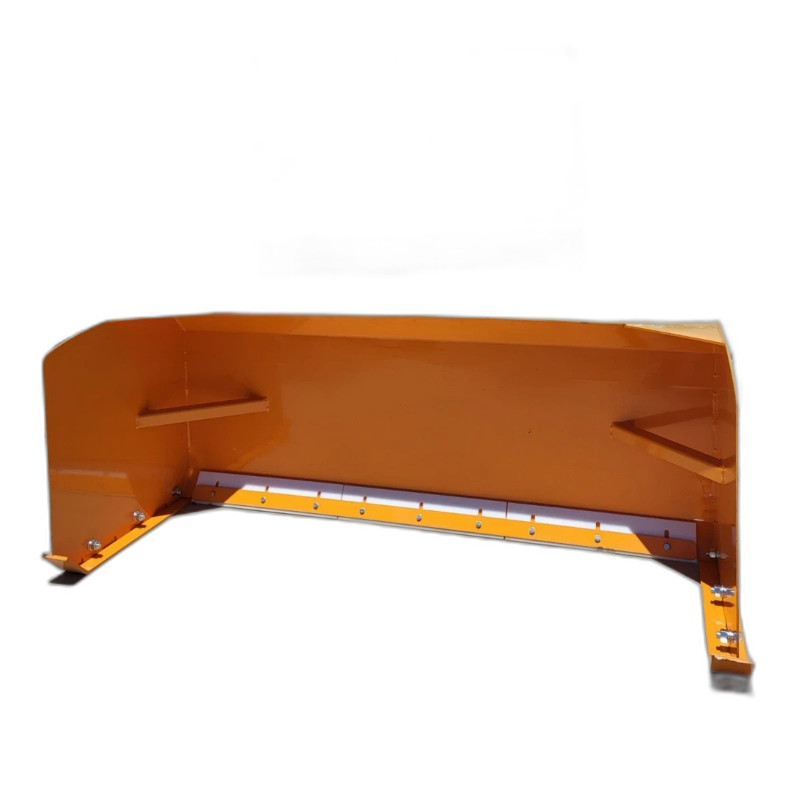
Snow pushers and snow blades look alike from a distance. Both mount on a skid steer, both scrape a surface clear. They do the job in different ways, and picking the wrong one can leave you slow and frustrated on the first big storm.
Chupp Industrial, in Chouteau, Oklahoma, sells skid steer and mini skid steer attachments and ships nationwide.
How a Snow Pusher Works
A snow pusher is a wide box with sides. It scoops and carries snow in front of the machine. Drive forward, and the snow stays inside the box until you drop it at a pile.
Best for: big open lots, loading docks, and any job where you push a lot of snow a long way.
Watch for: it needs room to work. Tight corners and narrow drives are harder.
How a Snow Blade Works
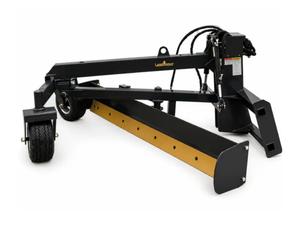
A snow blade is a single plate. You can angle it left or right, and it rolls snow off to one side as you go. Think of it as a plow.
Best for: driveways, roads, narrow lanes and long stretches where snow needs to go off to the side.
Watch for: heavy snow can spill around the blade, and a deep drift can be more work.
Snow Pushers vs. Snow Blades: A Quick Comparison
| Job | Better pick |
|---|---|
| Big open lot | Pusher |
| Loading dock | Pusher |
| Long narrow drive | Blade |
| Road or lane | Blade |
| Stacking a large pile | Pusher |
| Angling snow off to one side | Blade |
Owning both a snow pusher and a snow blade makes sense if you clear both open lots and narrow drives.
Things to Check on Your Machine
- Machine size. Check the tool's size against your machine's lift and weight. A mini skid steer needs a tool sized for it.
- Hydraulics. Check whether the tool you pick needs auxiliary hydraulics on your machine.
- Cutting edge. Check what edge material the tool uses and how it suits your surface.
- Width. Wider is faster. It also demands more room and more push.
- Tires or tracks. Traction on ice differs between tracks and tires; check yours.
Municipal and Commercial Work
A town or a large property manager often needs a fleet with tools that match their mix of jobs. A single machine and a single tool, pushing snow all night, breaks down. Plan for more than one setup, and keep spare cutting edges on the shelf.
Get your gear set up before the first storm, not during it. Check the hoses, the quick coupler and the edges in the fall.
Beyond Plowing
Winter is also when a skid steer earns its keep with other tools. Pallet forks, buckets and sweepers can keep a site running when it is icy. Your attachments should be picked for a whole season, not just one storm.
Setup and Care
A few habits keep either tool working through a season:
- Grease the pivot points and check pins before storm season.
- Inspect hoses for rubbing and cracks, since cold makes rubber brittle.
- Replace worn cutting edges before they wear into the frame.
- Store the attachment off the ground so the edge does not rust to the pad.
- Put a marker on the corners of the lot so you can see curbs under the snow.
Working Technique
Start on the edges and work your way in so you do not bury your own exit. Take smaller bites in heavy, wet snow. If the machine is struggling, back off. A pusher that is overloaded slows you down and strains the hydraulics on the machine.
Getting Set Up with Us
Chupp Industrial is in Chouteau, Oklahoma. We sell skid steer and mini skid steer attachments and ship nationwide. Tell us the make and model of your machine, and our sales team can help match a tool to it. Ordering early gets you ahead of the season.
Sizing for Your Own Lots
Walk your properties and count the tight spots. If most of your work is big open pavement, a wide pusher will pay off fast. If it is mostly drives, alleys and gated lots, a blade or a narrower tool will save you frustration. Many crews start with the tool that fits most of their work and add the second one once they see where the first one struggles.
Questions on the right machine for the job?
Straight answers on stock, freight, and what actually fits — no pressure.