


Hay Storage: How a PVC Fabric Shelter Keeps Hay Dry
Good hay storage keeps bales dry, off the ground and ventilated, and a Covermore PVC fabric shelter covers hay from rain, snow and UV rays.
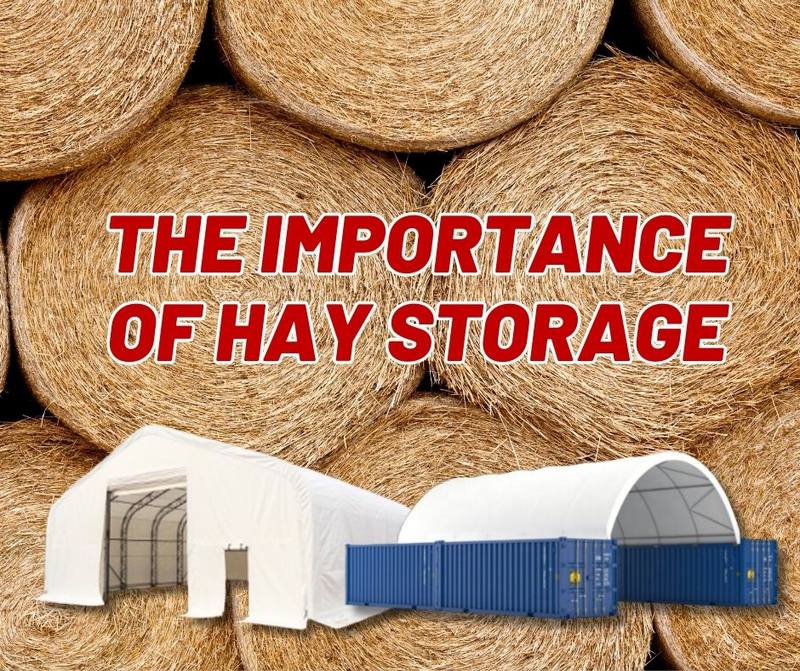
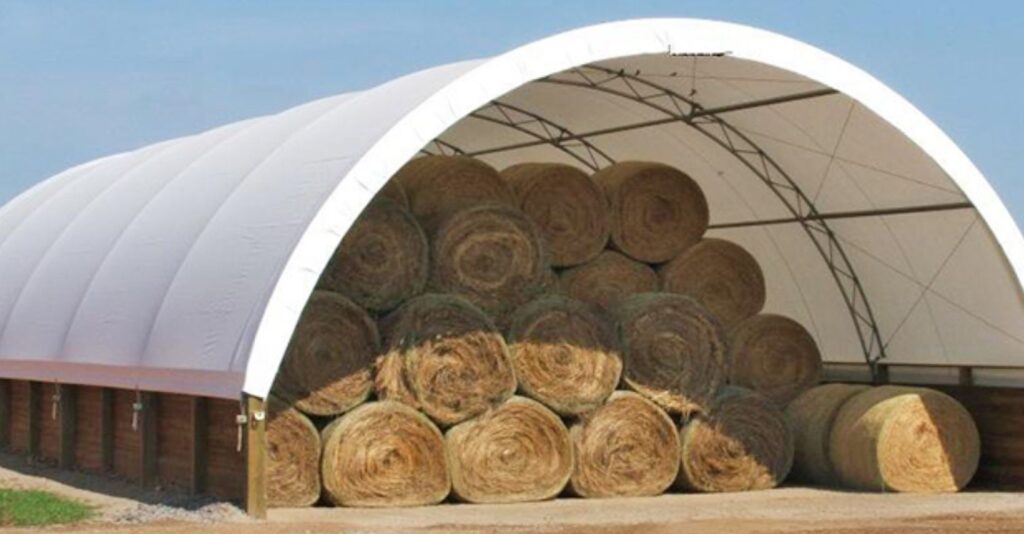
Good hay storage keeps bales dry, off the ground and in a covered, ventilated space. A PVC fabric shelter from Covermore Buildings does that job, protecting hay from rain, snow and UV rays so it keeps more of its quality for your livestock.
Why does hay storage matter?
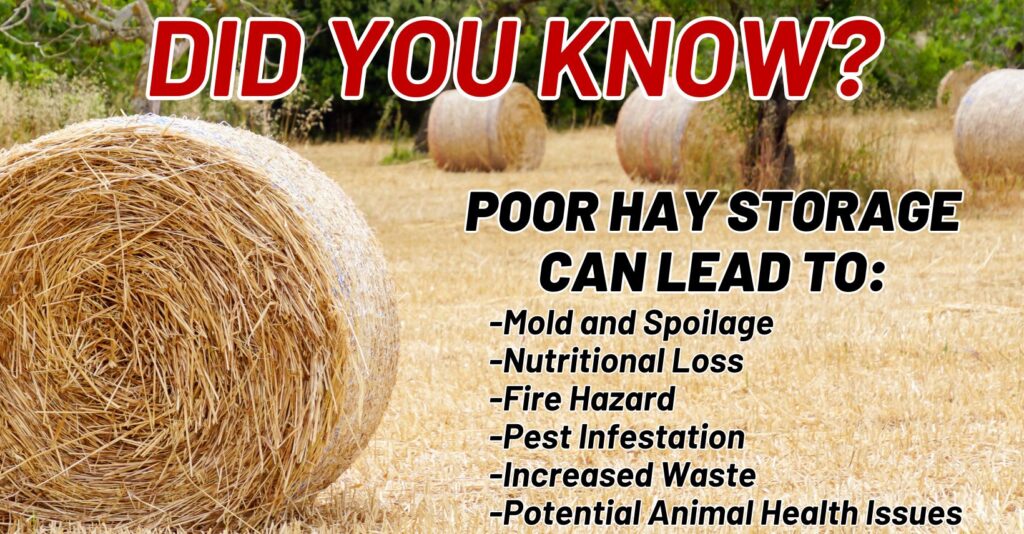
Hay that is stored wet or exposed can mold, spoil and lose nutritional value. Storing it well helps in several ways:
- It protects nutrients, because moisture and weather exposure break hay down.
- It lowers the risk of mold, which can cause respiratory and other health problems in livestock.
- It guards against rain, snow and strong sun, all of which can quickly lower hay quality.
- It keeps feed consistent, with hay that stays fresh through winter.
- It cuts waste, since less spoiled hay means less thrown away.
How do you keep stored hay from molding?
To keep stored hay from molding, keep it off the ground and ventilated. In practice:
- Elevate your hay so it does not absorb moisture from the soil.
- Make sure the shelter is ventilated so humidity does not build up.
- Stack bales so air can move around them and you can reach them easily; less handling means less damage to the bales.
- Check stored hay regularly for spoilage, mold or dampness so you catch problems early.
- Keep it shaded and dry, because UV rays can degrade hay and rain and snow add moisture.
Why use a PVC fabric shelter for hay storage?
A Covermore PVC fabric shelter keeps rain, snow and UV rays off hay while keeping it easy to reach:
- A durable PVC cover keeps the weather off the hay.
- Open ends, or end walls with large doors, make it easy to get to the hay.
- Every Covermore shelter uses a rust-resistant galvanized steel frame for strength.
- Shelters and buildings come in sizes for small farms and large operations.
Is a hay shelter hard to put up or move?
No. Covermore shelters need no welding and go together with minimal tools, using twist-lock and clamp systems. They can be assembled and taken apart as needed, which helps on farms where the hay storage location may change over time.
What should you do before harvest?
Get storage settled before harvest, so hay is protected as soon as it is ready to put up:
- Check your capacity and decide whether you need more space or better protection for your hay.
- Have the shelter in place before the hay is ready to store.
- Inspect an existing shelter to make sure the frame is sturdy, the fabric is intact and there is enough ventilation.
Questions on the right machine for the job?
Straight answers on stock, freight, and what actually fits — no pressure.