How to Match Mini Excavator Size to the Job Before You Price It
Size a mini excavator to the jobs you do most, your access width, your trailer and your attachments, before you price it.
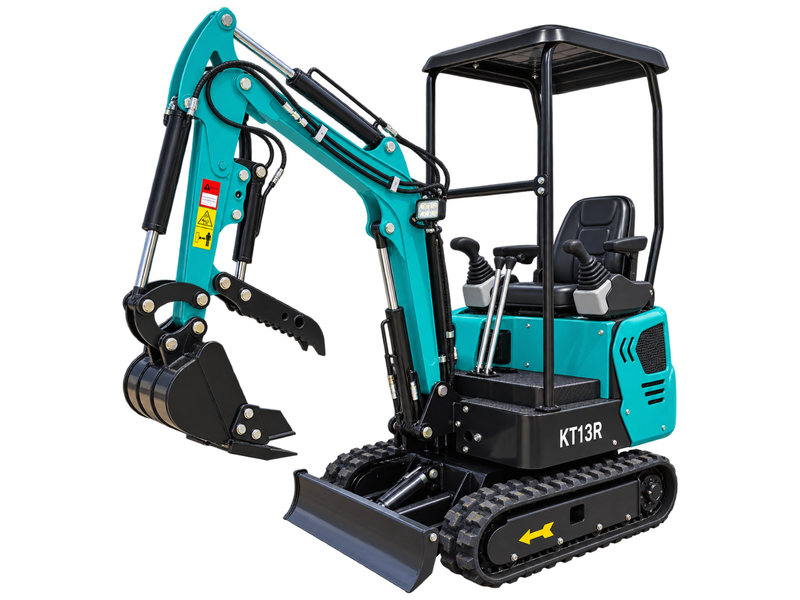
Before you can decide whether you can afford a mini excavator, you need to know which one you are pricing. A machine that is too small stalls the job. A machine that is too big costs more to buy, more to haul, and may not fit where the work is. Sizing it right first makes every number that follows more honest.
Once you know the size, the next question is whether the purchase makes sense for your business. Schmidt Bookkeeping's guide, Can I Afford to Buy New Equipment for My Construction Business?, walks through that financial side.
Start with the job you do most
Write down the three jobs you expect to do most often, not the biggest job you might do once. Then note for each one:
- How deep you dig (a sprinkler line, a drain, a footing, a septic tank)
- How wide the access is (a backyard gate, a door, a path between buildings)
- What the machine sits on (finished lawn, a slab, soft ground)
- How far you move the machine between jobs
A machine sized for the common job and rented for the rare big one is usually cheaper than owning a machine sized for the job you do twice a year.
The size classes, in plain terms
Mini excavators are sold by operating weight, usually in tons. Exact numbers vary by make and model, so treat these as rough ranges and check each spec sheet:
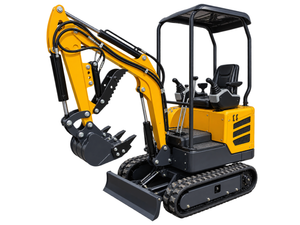
- Under 1 ton to about 1.5 tons: narrow enough for many backyard gates, light enough to tow behind a pickup. Good for irrigation, small trenches, planting and light landscaping. Dig depth is modest, often in the 5 to 7 foot range.
- About 2 to 4 tons: the most common contractor size. Handles utility trenches, footings and most residential work, with more reach and breakout force. It usually needs a heavier trailer and truck.
- About 5 to 10 tons: real production digging, deeper trenches and heavier lifting. Hauling becomes a bigger decision, and access to finished yards gets harder.
Measure access before anything else
The narrowest point the machine has to pass through sets your ceiling. Measure the gate, door or path, and compare it to the machine's width with the tracks in their travel position. Check overhead clearance too if you work under decks, porches or trees. A machine that cannot reach the work is the most expensive one you can buy.
Count the hauling cost as part of the machine
The trailer and tow vehicle are part of what you are buying. Add the machine's weight, the trailer's own weight and any attachments you carry, and compare that total to your trailer rating and your truck's towing capacity. Moving up a size class often means a bigger trailer, and sometimes a bigger truck. Those costs belong in the affordability math, not after it.
Match attachments to the machine, not the other way around
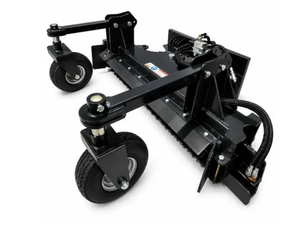
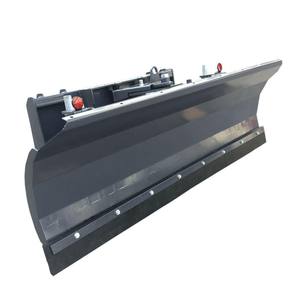
A bucket, thumb, auger or breaker has to fit the machine's coupler or pin size and its hydraulic flow. Before you buy, list the attachments the work needs and confirm they are made for that size class. An attachment that does not fit is a second purchase you did not plan for.
Think about the ground and the finish
Rubber tracks and a lighter machine are kinder to lawns and driveways. A heavier machine leaves more of a mark and may need ground protection mats on finished surfaces. If much of your work is in finished yards, that favors the smaller classes.
Turn the size into a number
Once the size class is chosen, you can price it fairly: the machine, the trailer and tow setup, the attachments, fuel, wear parts such as tracks and hoses, and insurance. Compare that against how many days a year you will actually use it, and against what renting the same size costs for those days. That is the point where the financial side of the decision, cost of ownership against expected use, can be weighed properly.
A quick checklist
- List the three jobs you do most.
- Measure the narrowest access point.
- Pick the smallest size class that handles those jobs.
- Add trailer and truck capacity to the cost.
- Confirm the attachments you need fit that class.
- Price ownership against rental for your real usage.
Want a quick starting point? Our mini excavator size calculator suggests a size class from your job, and you can browse the machines we sell on our mini excavators page. We're a family equipment business in Chouteau, Oklahoma, and glad to help you match a machine to your work.
Questions on the right machine for the job?
Straight answers on stock, freight, and what actually fits — no pressure.